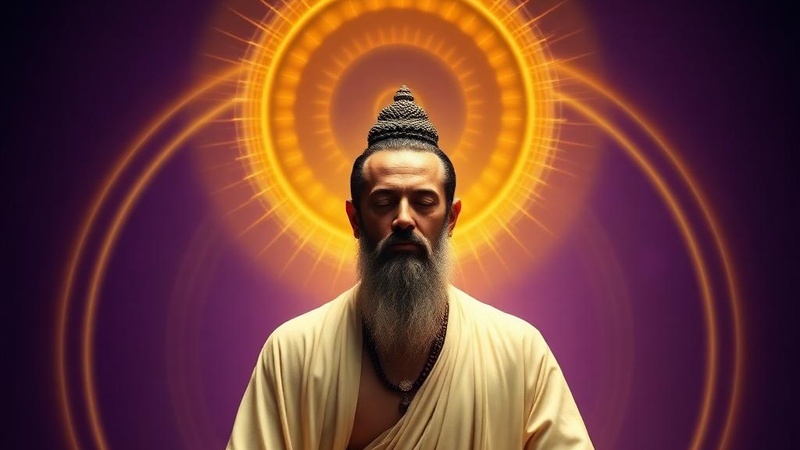
Both self-hypnosis and meditation are time-honored practices for calming the mind, lowering stress, and accessing deeper states of inner awareness. Both slow your breathing, relax your physical body, and shift brainwaves into alpha and theta rhythms.
Yet despite their similarities, their purpose, mechanics, and mental direction are fundamentally distinct.
The Core Distinction
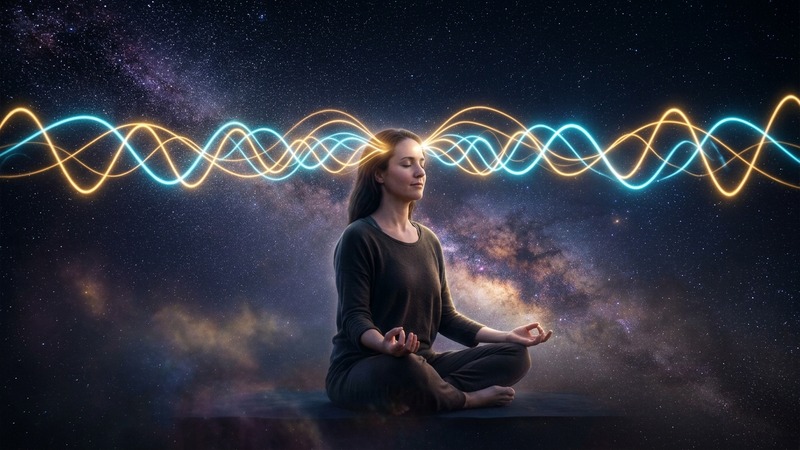
- Meditation is the art of mindful observation without attachment. You sit quietly, witness thoughts rising and passing, and cultivate detached awareness and spiritual stillness.
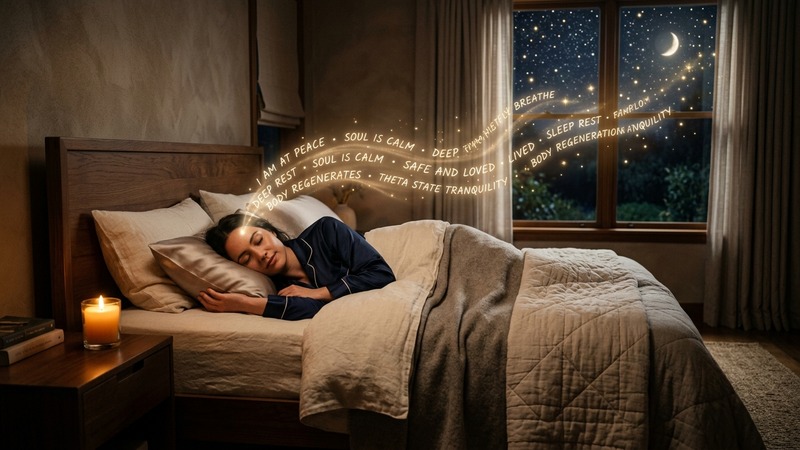
- Self-Hypnosis is the art of focused subconscious intention. You enter a receptive trance state with a specific goal—such as reframing a limiting belief, building calm confidence, or breaking an unwanted habit.
A simple analogy: Meditation is clearing and tilling the soil; Self-Hypnosis is planting specific seeds in that fertile ground.
Comparison Table: Self-Hypnosis vs Meditation
| Feature | Meditation (Mindfulness/Vipassana) | Self-Hypnosis |
|---|---|---|
| Primary Goal |
Present-moment awareness, inner peace | Specific subconscious habit or belief change |
| Mental Attitude | Passive observer, non-judgmental | Active focus, guided visualization |
| Use of Suggestion | Rarely used (or simple mantras) | Core technique (positive affirmations) |
| Outcome | Mental clarity and detachment | Behavioral change and emotional reframing |
| Brainwave State | Alpha leading to Theta/Gamma | Alpha and Theta |

Can You Combine Both Practices?
Yes—this is often the most effective approach. Many practitioners begin with five minutes of mindfulness meditation to quiet conscious mental chatter, and once in a calm alpha state, introduce positive hypnotic suggestions to reprogram limiting habits.
From Hardik’s practice: At The Golden Lotus, we encourage students to see these practices as two hands working together. Meditation gives you mastery over your awareness; self-hypnosis gives you mastery over your subconscious programming.
Learn Subconscious Mastery
Study structured verbal trance induction in our Hypnotism Course for Beginners or experience a private Subconscious Mind Alignment Session.
Frequently Asked Questions
Is self-hypnosis safe to practice alone?
Yes. Self-hypnosis is a natural state of focused relaxation that you enter and exit voluntarily.
Disclaimer: Self-hypnosis and meditation are complementary tools for personal development.
Have Questions About This Practice?
Whether you want to learn Reiki, explore Mesmerism, or book a 1-on-1 private energy alignment session, we welcome your questions.