
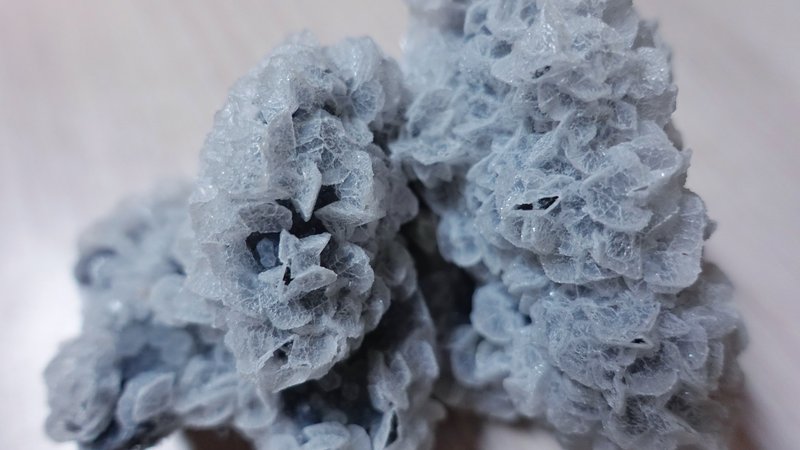
Energy cleansing crystals are the stones most often used in spiritual practice to mark and refresh a space: clear quartz, selenite, black tourmaline, smoky quartz, amethyst, obsidian, citrine, labradorite, hematite and rose quartz.
Each carries its own traditional association, and each tends to be used somewhere specific, whether by a doorway, on a desk, in a bedroom or held during practice.
This guide covers all ten, where people place them, how to cleanse and recharge the stones themselves, and the difference between crystal cleansing and clearing a home.
One point to hold throughout. These are traditional and symbolic practices. Crystals do not measurably alter the air, the atmosphere or anyone’s health, and no stone treats any condition. What they reliably do is mark an intention in a place you will see it, which is a genuine and modest function.
What Are Energy Cleansing Crystals?
Within crystal traditions, certain stones are described as absorbing, deflecting or clearing unwanted influence in a space or in a person’s field.
The stones themselves are ordinary minerals. Their composition, hardness and optical behaviour are measurable facts. The cleansing properties attributed to them belong to spiritual tradition rather than to demonstrated science, and there is no evidence that placing a mineral in a room changes anything about it physically.
That does not make the practice pointless. A stone by the door is a visible reminder of a decision you made about what this space is for, and you notice it every time you come home. That kind of reminder genuinely influences how people behave in a room.
Two things follow:
- Crystals are companions to a practice, not devices.
- They work alongside the practical side of a settled home: air, light, order and honest relationships between the people in it.
Our guide to aura and personal cleansing at home covers the personal side of this, which most practitioners treat as the companion practice.
10 Popular Energy Cleansing Crystals
1. Clear Quartz
Traditional association: clarity and openness.
The general-purpose stone of crystal practice, used on its own and alongside others to reinforce an intention. Durable, inexpensive, easy to identify and hard to get wrong, which makes it the sensible first purchase.
Usually placed in a main living area or kept as a central stone in an arrangement.
2. Selenite
Traditional association: lightness and clearing, including clearing other stones.
Selenite occupies a dual role: a clearing stone in its own right, and the most common tool for cleansing other crystals. A larger piece or a flat plate serves both purposes.
Important care note: selenite is soft, around 2 on the Mohs scale, and water-soluble. Never wash it, never leave it in a damp bathroom, and handle it gently since it scratches and flakes easily.
3. Black Tourmaline
Traditional association: grounding and boundaries.
The most widely used protective stone in modern practice, and the usual recommendation for an entrance. Matte black and unobtrusive enough for most rooms.
Practical note: raw pieces are brittle and shed small fragments, so choose tumbled stones anywhere near children or pets.
4. Smoky Quartz
Traditional association: releasing what feels heavy.
Grounding without the visual weight of the darker stones, and often chosen for a workspace or study. Practitioners associate it with putting something down rather than defending against something ongoing.
Prolonged strong sunlight fades the colour, so charge it in moonlight or brief early sun.
5. Amethyst
Traditional association: calm and reflection.
The usual bedroom and meditation-corner stone, and the gentlest on this list. Where the darker stones are about boundaries, amethyst is about a settled inner state.
Care note: amethyst fades in sustained sunlight. Keep sun exposure short.
6. Obsidian
Traditional association: deflection and honest self-examination.
Volcanic glass rather than a crystal in the strict sense. Its reflective quality shapes how it is used, and practitioners often describe it as bracing rather than soothing. Many avoid keeping it in bedrooms for that reason.
Safety note: obsidian fractures with extremely sharp edges. Handle raw pieces carefully and keep broken fragments away from children.
7. Citrine
Traditional association: warmth, confidence and brightness.
Often placed in a workspace or a room that feels functional rather than welcoming.
Worth knowing when buying: most deep amber citrine sold commercially is heat-treated amethyst rather than natural citrine, which is typically paler. Neither is more valid spiritually, but you should know what you are buying.
8. Labradorite
Traditional association: personal boundaries, particularly for people who absorb others’ moods.
Shows a distinctive flash of colour at certain angles, and the tradition makes something of that: a stone that reveals itself selectively, associated with keeping your own state your own.
Commonly suggested for people in caring, teaching, healing or client-facing work.
9. Hematite
Traditional association: weight and grounding.
An iron oxide, noticeably heavy for its size, and practitioners treat that weight as the whole point. Usually kept in a pocket or at a desk rather than on display.
Care note: hematite should not be soaked, as it can rust and lose its surface.
10. Rose Quartz
Traditional association: warmth and compassion between people.
Not a cleansing stone by the usual definition, and included here because it is one of the most commonly kept stones in shared spaces. Associated with the heart chakra and typically placed in a living room or bedroom.
Fades with heavy sun exposure, like most quartz varieties.
Crystals for Your Home
Placement conventions, with the reasoning behind each.
- Entrance: black tourmaline or hematite, marking the boundary between outside and inside.
- Main living room: clear quartz or selenite, associated with clarity and openness. Rose quartz where the aim is warmth between people.
- Bedroom: amethyst. Many practitioners avoid darker or more confronting stones here.
- Kitchen: citrine, where a functional room could use some warmth.
- Study or workspace: smoky quartz or clear quartz.
Two stones well placed serve better than ten spread thinly. A reasonable starting point is one at the entrance and one where you spend most of your time.
Crystals for Meditation Spaces
A meditation corner is where consistency matters more than variety.
- Keep the same stone or small arrangement in the same place every time. Familiarity is doing most of the work.
- One central stone, usually clear quartz or amethyst, is enough.
- Add a grounding stone such as hematite or black tourmaline at floor level if you tend to feel scattered after practice.
- Resist rearranging. A settled space becomes a cue that helps you drop into practice faster.
Elaborate arrangements look impressive and add nothing. The purpose is a space your attention recognises.
Crystals for Personal Energy Practices
Beyond the home, stones are used on the body and in practice.
- Pocket stone. A tumbled piece you touch when you notice tension. The simplest and most used option.
- Held during meditation. One stone in the palm, attention on its weight and temperature.
- Worn. A bracelet or pendant, which is the most effective format simply because you see it repeatedly.
- Placed during rest. A stone on the chest or beside you while lying down.
The rule that matters more than any list: work with one stone for several weeks rather than rotating through a collection. Familiarity is what makes the object useful.
How to Place Crystals
A few practical points people learn the hard way.
- Visible beats hidden. A stone in a drawer does nothing, since the whole function is being noticed.
- Stable surfaces. Away from edges, cooker tops, and anywhere a pet can knock them down.
- Away from direct sun for amethyst, rose quartz, citrine, smoky quartz and fluorite, all of which fade.
- Away from damp for selenite entirely, and for porous stones such as turquoise and howlite.
- Out of reach of small children and pets, particularly obsidian and any raw or sharp piece.
- Set an intention when you place it. Thirty seconds of attention is the difference between decoration and practice.
How to Cleanse Your Crystals
Cleansing is the traditional practice of clearing a stone before setting a fresh intention. Stones kept in busy rooms or handled by many people are generally cleansed more often.
Safe methods:
- Smoke from incense, dhoop, camphor or sage
- Sound from a bell, ghanti or singing bowl
- Selenite or clear quartz, resting smaller stones on a larger piece overnight
- Dry salt placed beside, not in contact with, the stones
- Earth contact for a few hours, which suits grounding stones particularly
- Brief rinse under cool water, for hard stones such as clear quartz, smoky quartz and amethyst
Water cautions that matter: never wet selenite, which dissolves. Avoid water for hematite, which rusts, and for porous stones including turquoise, howlite and lapis lazuli. Avoid water entirely for elastic-strung bracelets, since it degrades the cord.
Monthly is a reasonable rhythm. Our full method, including the bracelet-specific version, is in the guide to caring for crystal bracelets.
How to Recharge Them
Recharging restates the purpose after clearing.
- Moonlight, traditionally on the full moon. Our full moon charging ritual sets out the sequence.
- Brief early morning sunlight, an hour at most, and not for the stones that fade.
- Earth contact, resting stones on soil for a few hours.
- Spoken intention, holding the stone and naming clearly what it is for.
The ritual works as punctuation. It closes one period and opens the next, which helps you notice whether your own intention has actually changed.
Crystal Cleansing vs Home Energy Cleansing
These two get conflated, and separating them is useful.
| Crystal Cleansing | Home Energy Cleansing | |
|---|---|---|
| What it addresses | The stones themselves | The space |
| How often | Monthly, or after heavy use | Weekly light reset, fuller monthly |
| Methods | Smoke, sound, selenite, salt, earth | Decluttering, ventilation, light, sound, smoke, prayer |
| Main factor | The ritual and intention | The physical reset, which does most of the work |
| Crystals’ role | The subject | A symbolic marker, not the mechanism |
The important point: crystals are a small part of clearing a home, and the largest part is unglamorous. Open the windows, clear the floors, clean the corners, change the bulbs. Then add the ritual.
If you want the full home method, our writing on protecting and clearing your personal energy covers the personal side that accompanies it.
Can Crystals Remove “Negative Energy”?
This deserves a careful answer, since it is the question underneath the whole topic.
Within spiritual tradition, yes. Certain stones are described as absorbing or deflecting unwanted influence, which is why they are cleansed regularly and placed deliberately. That framework is coherent on its own terms and held sincerely by many practitioners.
In measurable terms, no. No subtle energy has been detected, and placing a mineral in a room does not alter anything physical about it. There is no evidence that crystals remove anything.
When people say a room feels heavy, they usually mean something ordinary and fixable: stale air, clutter, poor light, noise, disturbed sleep, or unresolved tension between the people living there. Those causes respond to practical remedies, and no stone substitutes for opening a window or having a difficult conversation.
What crystals do honestly provide is a marker. You placed the stone deliberately, you notice it, and it reminds you what you decided about this space. Over weeks, that reminder changes how you treat the room.
One caution worth stating plainly. Be wary of anyone telling you your home or your energy is damaged, cursed or under attack, and offering stones to fix it, particularly where fees escalate. Fear-based selling is the clearest warning sign in this field, and responsible practice never works that way.
Frequently Asked Questions
What crystals are used for energy cleansing?
The most commonly used are clear quartz, selenite, black tourmaline, smoky quartz, amethyst, obsidian, citrine, labradorite, hematite and rose quartz. Selenite and clear quartz are typically used for clearing, while black tourmaline and hematite are used for grounding and boundaries.
Where should I place crystals in my home?
Black tourmaline or hematite near the entrance, clear quartz or selenite in a main living area, amethyst in a bedroom, and smoky quartz in a study or workspace. Two well-placed stones work better than many spread thinly. Keep them visible, since the whole function is being noticed.
Can crystals really remove negative energy?
Within crystal tradition they are described as absorbing or deflecting unwanted influence, which is a spiritual framework rather than a measurable effect. No evidence supports the physical removal of anything. When a room feels heavy, the cause is usually stale air, clutter, poor light or unresolved tension.
How often should I cleanse my crystals?
Monthly is a reasonable rhythm, with additional cleansing after a difficult period or when many people have handled them. Stones kept in busy rooms generally need it more often than those in a quiet meditation corner.
How do I cleanse crystals without water?
Use smoke from incense or camphor, sound from a bell or singing bowl, rest smaller stones on a piece of selenite overnight, place dry salt nearby without contact, or use earth contact for a few hours. Water-free methods are essential for selenite, hematite and porous stones.
Which crystals should not get wet?
Selenite must never get wet, since it is water-soluble. Hematite rusts. Porous stones including turquoise, howlite and lapis lazuli are also damaged by water. Elastic-strung bracelets should be kept dry regardless of the stones, since water degrades the cord.
What is the difference between cleansing crystals and cleansing a home?
Crystal cleansing clears the stones themselves, usually monthly. Home cleansing addresses the space, and the largest part of it is practical: ventilation, decluttering, light and cleaning. Crystals are a symbolic marker within home cleansing rather than the mechanism that does the work.
Bringing It Together
Energy cleansing crystals earn their place as markers rather than as devices. A stone by the door that you notice every day is a reminder of what you decided this space is for, and reminders genuinely change behaviour.
Choose two or three that suit your rooms, place them where you will see them, cleanse and recharge them as part of your rhythm, and keep the practical side of a settled home in view, since that is where most of the difference actually comes from.
At The Golden Lotus, our stones are prepared as companions to intention and awareness, never as guarantees. If you would like a place to begin, our crystal and spiritual collection is a considered starting point, and we are happy to suggest which stone suits your situation before you buy anything.

Have Questions About This Practice?
Whether you want to learn Reiki, explore Mesmerism, or book a 1-on-1 private energy alignment session, we welcome your questions.