
Modern neuroscience estimates that approximately 95% of our daily thoughts, emotional reactions, and automatic habits originate within the subconscious mind. While the conscious mind sets goals and dreams, the subconscious mind runs the automated programs that determine whether those goals become reality. Self-hypnosis is the ancient art of consciously communicating with this inner powerhouse (learn the practitioner foundations in our certified Hypnotism Course or discover how self-hypnosis differs from meditation).
Understanding the Critical Factor
Between the conscious and subconscious mind lies a cognitive barrier known in psychology as the Critical Factor. During ordinary waking hours (Beta brainwave state), the critical factor acts like a security guard, evaluating and often rejecting new affirmations that contradict existing conditioning.
Self-hypnosis does not involve loss of control; rather, it is a state of heightened, selective focus that gently relaxes the critical factor (see our guide on recognizing the physical and sensory signs of a receptive hypnotic state), allowing constructive, empowering suggestions to take root directly in the subconscious architecture.

Brainwave States: The Pathway to Trance
Our brain functions across four primary frequency bands (explore our complete guide to Alpha and Theta brainwave states explained):
- Beta (14 – 30 Hz): Active waking consciousness, analytical thinking, stress, and multitasking.
- Alpha (8 – 13 Hz): Relaxed alertness, daydreaming, mindfulness, and the gateway to hypnotic suggestibility.
- Theta (4 – 7 Hz): Deep meditation, vivid visualization, spontaneous insight, and rapid subconscious reprogramming.
- Delta (0.5 – 3 Hz): Deep dreamless restorative sleep and cellular regeneration.
“You do not need to fight your mind to master it. Simply alter your breathing, quiet your internal chatter, and plant the seeds of your desired reality in the fertile soil of theta consciousness.” — Healer Hardik
A 3-Step Daily Self-Hypnosis Protocol
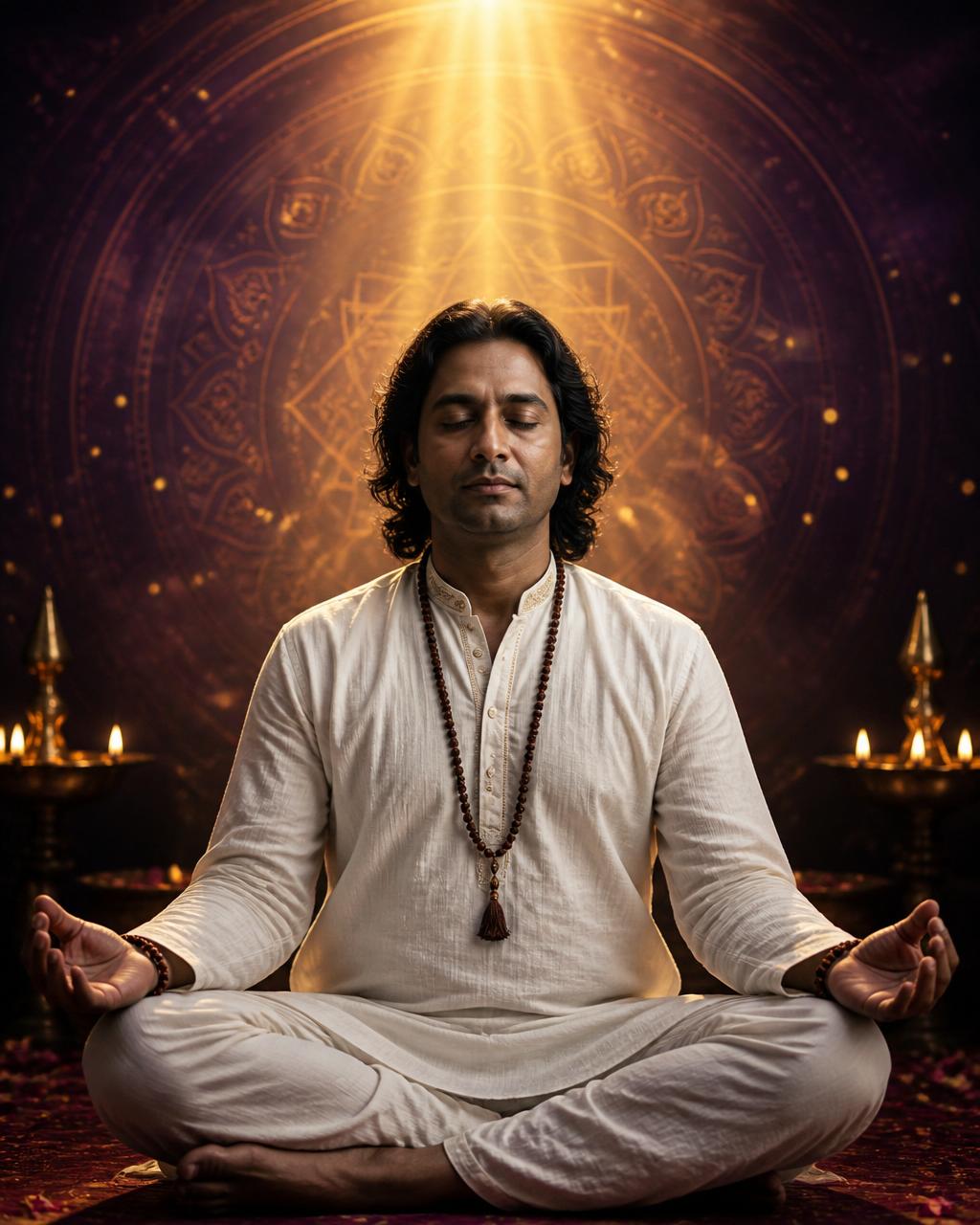
You can practice this simple 10-minute self-hypnosis exercise in a comfortable seated position every morning or before sleep (read our evening protocol on how to reprogram your subconscious mind before sleep and learn how to enter a light trance at home):
- Deep Somatic Relaxation: Close your eyes and take five slow, diaphragmatic breaths — inhaling for a count of four, holding for two, and exhaling for six. With each exhalation, consciously release tension from your jaw, shoulders, and solar plexus.
- The Staircase Deepener: In your mind’s eye, visualize a beautiful marble staircase with ten steps leading down to a tranquil sanctuary. Count down slowly from ten to one, mentally affirming that with each descending step, your mind drifts twice as deep into peaceful stillness.
- Present-Tense Positive Suggestions: Once in this calm, receptive state, mentally repeat your chosen affirmations. Ensure they are phrased in the present tense, framed positively, and accompanied by genuine sensory emotion (e.g., “I am deeply grounded, clear-headed, and confident in my path.”).
With consistent daily repetition, these positive mental blueprints begin to replace old self-doubt, fostering profound resilience, calm focus, and authentic spiritual confidence. For personalized subconscious breakthrough, you can also book a private 1-on-1 Hypnotism Session guided by Healer Hardik.
Have Questions About This Practice?
Whether you want to learn Reiki, explore Mesmerism, or book a 1-on-1 private energy alignment session, we welcome your questions.